Enterprise-level consulting services
delivering data analytics, data science, and dashboard solutions for companies of all sizes across all industries.
Leverage Comprehensive Data Insights to Optimize Performance, Enhance Customer Engagement, and Maximize ROI
When it comes to data analysis, we offer unmatched expertise.
Industries we serve

RetRetails

Financial institutions

Logistics and Transportation

Clinical Trial and Health

Manufacturing

Media and Entertainment

Education

Energy and Utilities
Why should businesses conduct data analysis?
Data analytics supports business operational decisions.
Through data analysis, companies can better understand internal and external dynamics, thereby maintaining an advantage in fierce market competition and achieving long-term sustainable development.
1. Supporting data-driven decision-making
More accurate decision-making: Data analytics can provide businesses with fact-based insights, reducing subjectivity and uncertainty in decision-making and helping management make more accurate decisions.
Real-time information: By analyzing real-time data, businesses can respond more quickly to market changes and emerging challenges or opportunities.
2.Improve operational efficiency
Process optimization: Data analytics can identify bottlenecks and inefficient processes in business operations, thereby optimizing operations, reducing waste, and improving efficiency.
Resource management: By analyzing resource usage (such as human resources, capital, and equipment), companies can optimize resource allocation and reduce operating costs.
3. Increase revenue and profits
Customer segmentation and personalized marketing: By analyzing customer data, businesses can identify different customer groups and tailor personalized marketing strategies for them, thereby improving conversion rates and customer satisfaction.
Product optimization: Data analytics helps businesses identify the most popular product and service features, improve existing products, or develop new products to meet market demands and increase sales.
4. Enhance customer experience
Customer Behavior Analytics: By analyzing customer behavior data (such as purchase records and browsing history), businesses can better understand customer needs and provide more personalized services and products.
Customer Feedback and Satisfaction: By analyzing customer feedback, businesses can identify problems in their services or products, make timely improvements, and enhance customer satisfaction and loyalty.
5. Risk Management
Risk Identification and Prediction: Data analytics can help businesses identify potential risks, such as financial, market, or operational risks, and take preventative measures to mitigate their impact.
Compliance Monitoring: By analyzing data, businesses can ensure their operations comply with industry regulations and standards, avoiding legal risks and financial losses due to violations.
6. Driving innovation and competitive advantage
Discovering New Opportunities: Data analytics helps businesses identify new opportunities in the market, such as unmet customer needs, emerging markets, or technological trends, driving business innovation.
Competitor Analysis: By analyzing competitor data, businesses can understand the competitive landscape, develop effective competitive strategies, and maintain or increase market share.
7. Cost control
Budgeting and Financial Management: By analyzing financial data, businesses can better control costs and optimize budget allocation, thereby improving profitability.
Supply Chain Optimization: Data analytics can optimize supply chain management, reduce inventory costs and logistics expenses, and improve the overall efficiency of the supply chain.
8.Employee Management and Performance Improvement
Employee Performance Analysis: Through data analysis, companies can understand employee performance, develop corresponding training and incentive measures, and improve employee productivity and satisfaction.
Recruitment Optimization: By analyzing recruitment data, companies can optimize the recruitment process, select the most suitable candidates, and increase the success rate of talent acquisition.
9. Market and Industry Trend Analysis
Market Forecasting: By analyzing market data, businesses can predict future market trends and adjust their business strategies to adapt to changes.
Competitive Environment Analysis: Analyzing industry data helps businesses understand their market positioning, assess competitors’ strategies, and make corresponding adjustments.

Data Mining
Data mining is the process of discovering valuable patterns and knowledge from large amounts of data. It uses statistical, machine learning, and database techniques to analyze datasets and look for potential trends, relationships, and anomalies. Data mining typically includes steps such as data cleaning, data integration, model building, and result interpretation. Through data mining, businesses can predict future trends, optimize business decisions, and identify potential market opportunities from historical data. Data mining has wide applications across various fields, including finance, healthcare, retail, and the internet.
预测分析
Predict Analysis
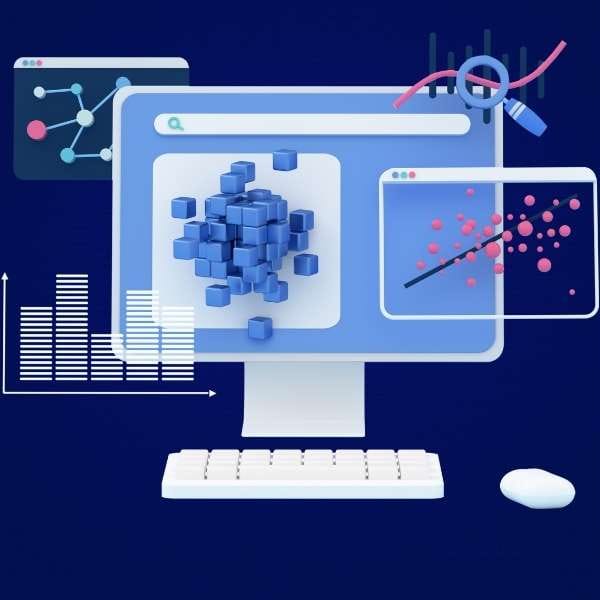
预测分析(Predictive Analytics)是利用统计学、机器学习和数据挖掘技术来分析历史数据,以预测未来趋势和结果的过程。
数据收集与整理:预测分析首先需要收集和整理历史数据。这些数据可以包括销售记录、客户行为、市场趋势等,以确保分析的准确性和全面性。
建模与算法应用:使用各种统计模型和机器学习算法来建立预测模型。这些模型可以是回归分析、时间序列分析、决策树、神经网络等,用于发现数据中的模式和关系。
模型训练与验证:通过将历史数据分为训练集和测试集,对模型进行训练和验证。训练集用于构建模型,而测试集用于评估模型的准确性和可靠性。
预测与决策支持:一旦模型经过训练和验证,它可以用来对未来的数据进行预测。这些预测结果可以帮助企业制定战略决策,如市场营销、库存管理、风险评估等。
结果解释与应用:将预测结果解释为具体的业务洞察,以便实际应用。这包括生成报告、制定行动计划和优化业务流程,从而提高效率和效益。

Big Data Analytics, AI & Machine Learning
AI, machine learning, and big data analytics greatly enhance modern data analysis.
AI (Artificial Intelligence) augments analytical workflows by automating data processing, generating insights, and optimizing analytical models. AI systems can automatically produce reports, detect anomalies, or recommend improved decision strategies.
Machine Learning is a key component of data analysis, enabling predictive modeling and pattern recognition. ML improves accuracy and efficiency by learning from historical data—for example, forecasting sales trends or identifying customer behavioral patterns.
Big Data Analytics focuses on processing massive, complex, multi-source datasets that traditional tools cannot handle. It uncovers hidden patterns, correlations, and trends, supporting deeper, more comprehensive business insights.
Together, these three pillars empower analysts to deliver faster, more accurate, and more scalable data-driven decisions.
Marketing Analysis
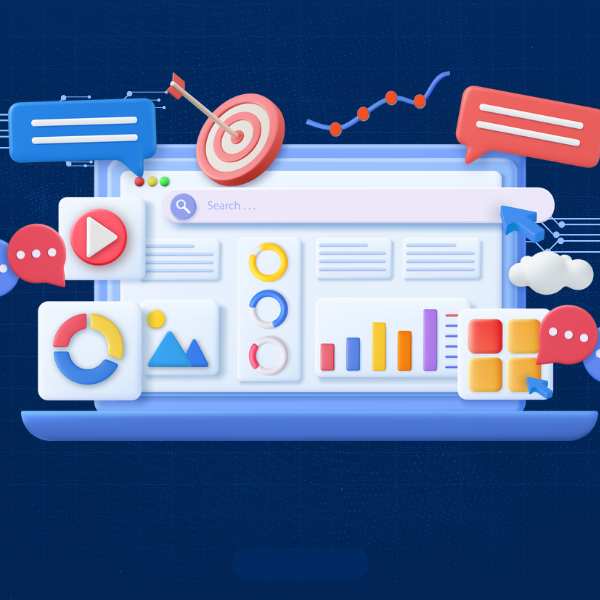
Marketing Analytics is the process of using data to evaluate and optimize marketing strategies. It involves:
Data Collection: Gathering data from multiple sources such as customer behavior, sales performance, and advertising results.
Data Processing: Cleaning and organizing data to ensure accuracy and consistency.
Analysis & Modeling: Applying statistical and machine learning techniques to identify patterns, trends, and drivers of performance.
Performance Measurement: Assessing campaign effectiveness through metrics like conversion rate, customer acquisition cost (CAC), and return on investment (ROI).
Strategy Optimization: Adjusting marketing strategies based on analytical insights to improve efficiency, targeting, and overall impact.
Marketing analytics enables businesses to make data-driven decisions, improve marketing outcomes, and drive stronger business performance.
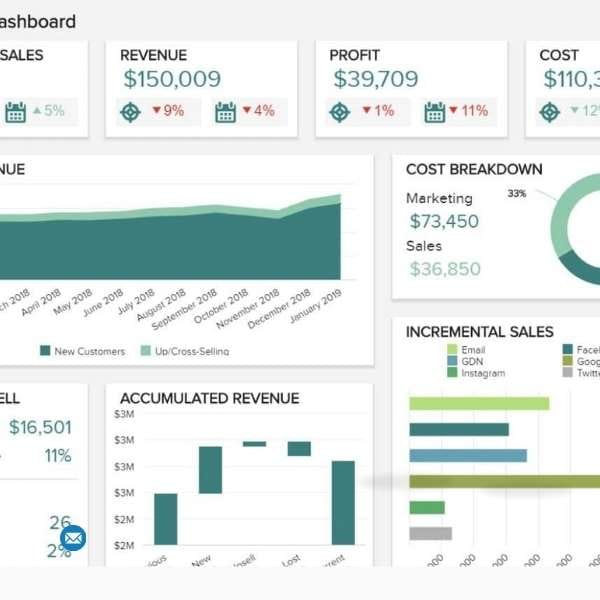
Sale Analysis
Key Components of Sales Analytics:
Trend Identification: Detect long-term, short-term, and seasonal sales trends across products, regions, channels, and customer segments.
Performance Analysis: Evaluate KPIs such as revenue, units sold, profit margin, conversion rates, and sales pipeline efficiency.
Customer Insights: Segment customers by profitability, behavior, demographics, RFM scores, or purchase patterns to guide targeted actions.
Strategy Effectiveness: Measure the impact of promotions, pricing strategies, sales campaigns, and cross-sell/upsell initiatives.
Forecasting: Use statistical and machine learning models to predict future sales, demand fluctuations, and inventory needs.
Operational Optimization: Identify bottlenecks in the sales funnel and recommend actionable improvements.

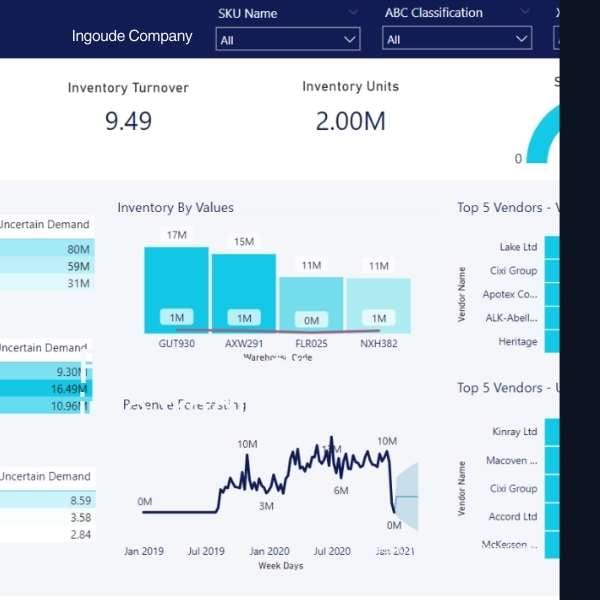
Digital Sale Analysis
Digital Sales Analysis focuses on using data to evaluate and optimize sales performance across all digital channels, including e-commerce platforms, websites, mobile apps, social media, paid advertising, and email marketing. The goal is to understand customer behavior, measure conversion efficiency, identify revenue opportunities, and guide strategic business decisions.
Through a combination of web analytics, marketing attribution, funnel analysis, customer segmentation, and predictive modeling, digital sales analytics helps companies maximize online revenue and improve customer acquisition and retention.
Risk Analysis
Risk Analysis is the process of identifying, measuring, and evaluating risks that may impact business performance, financial stability, customer behavior, or operational outcomes. In modern data-driven industries—especially banking, insurance, fintech, telecom, healthcare, and e-commerce—risk analysis plays a critical role in supporting strategic decisions, optimizing business performance, and preventing losses.
Risk analysis integrates statistical modeling, machine learning, predictive analytics, and domain-driven business logic to proactively detect risks and recommend mitigation strategies.
If you want to become a data analyst, please learn about our courses.
If you need relevant work in this field, please check the latest Job Listings.